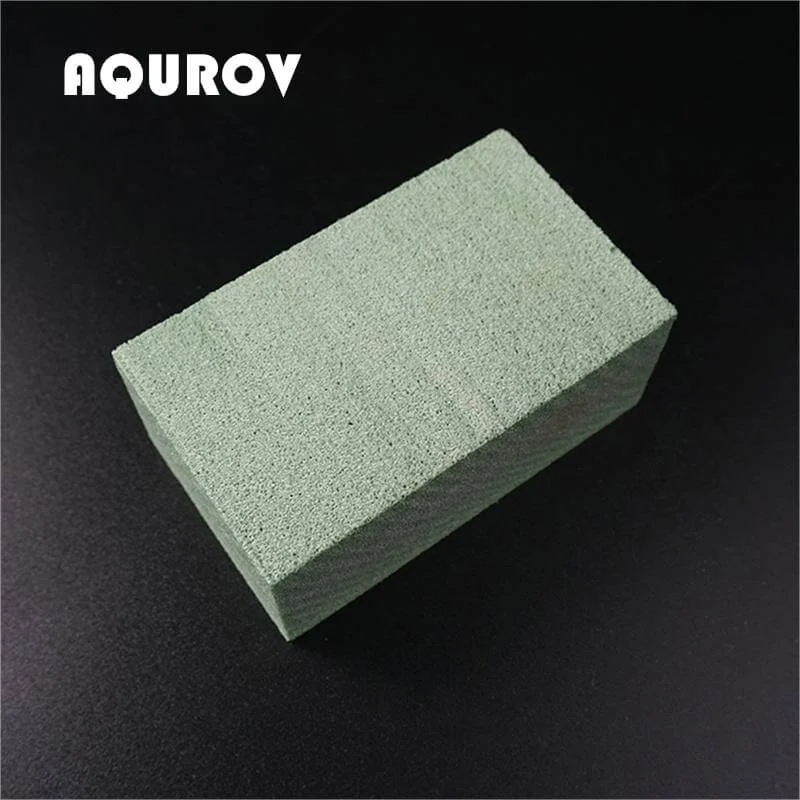
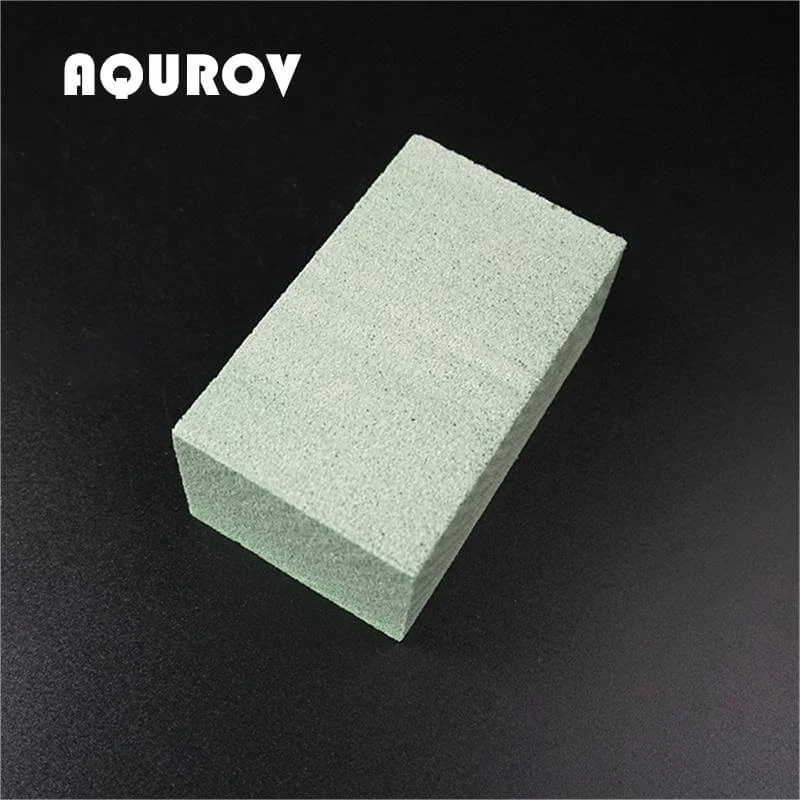
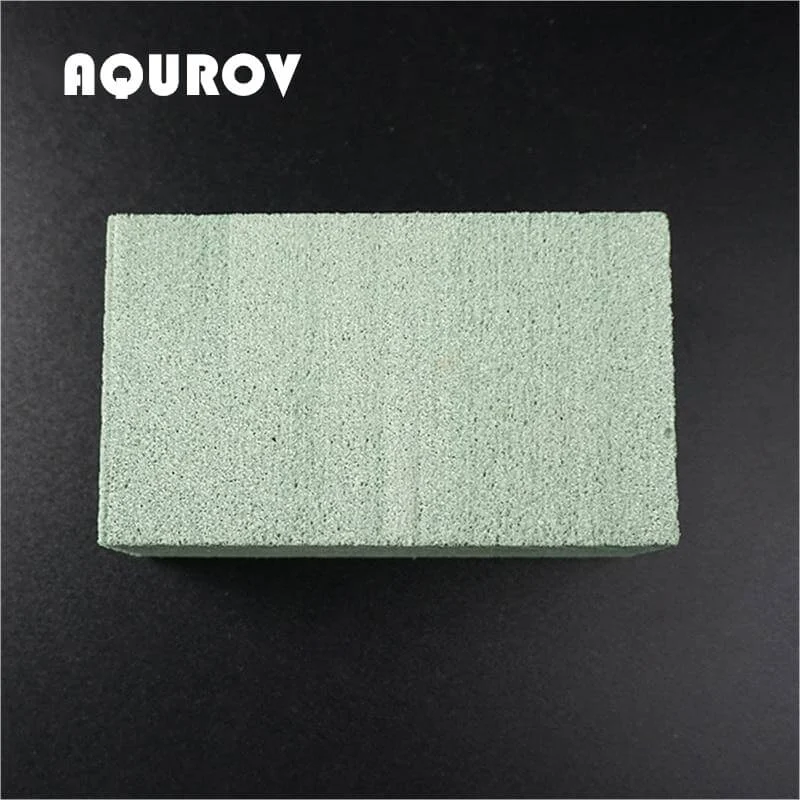
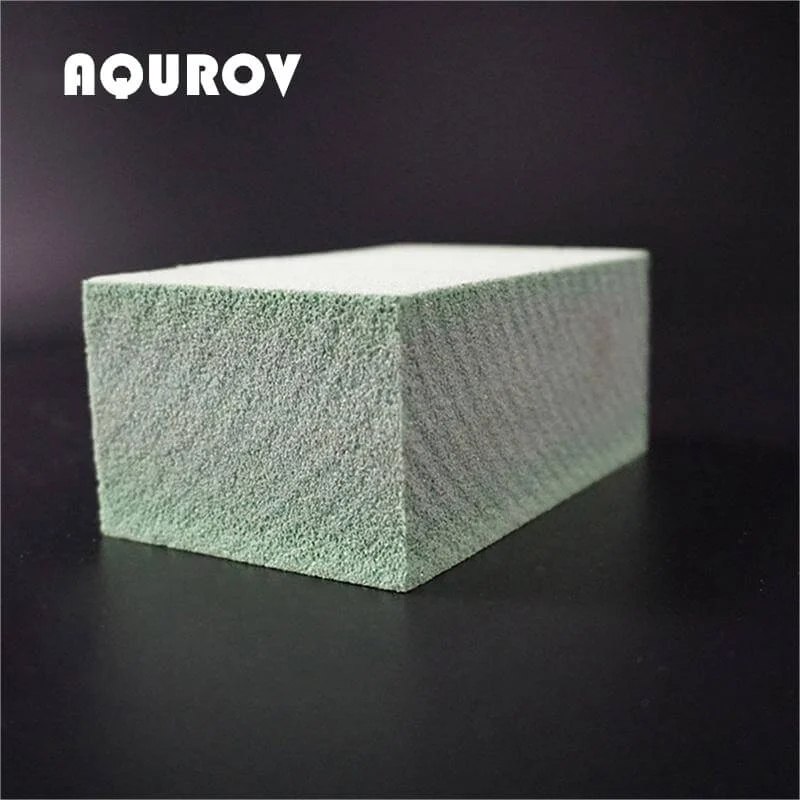
Description
Positive buoyancy for your ROV
300 m applicable water depth · compact block format
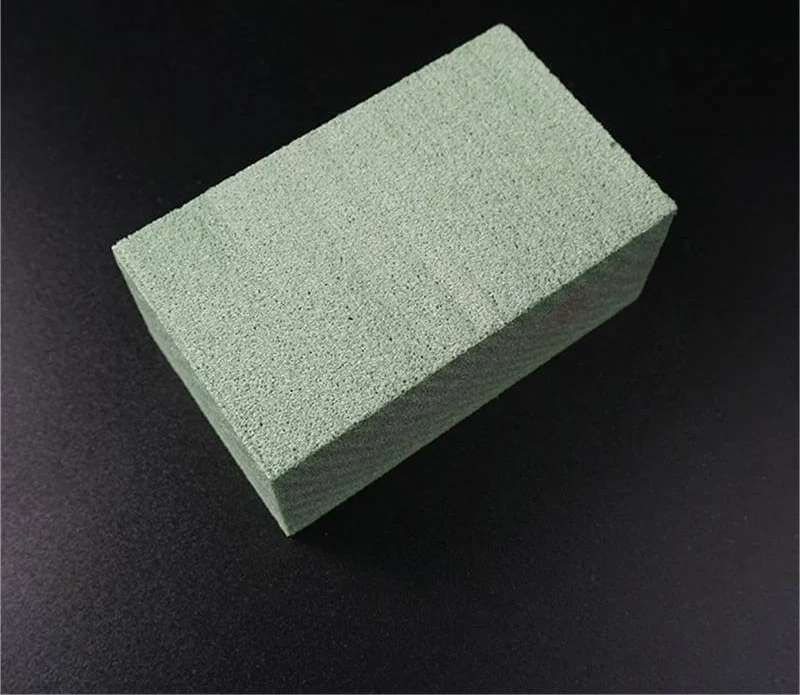
Add buoyancy where your vehicle layout needs it.
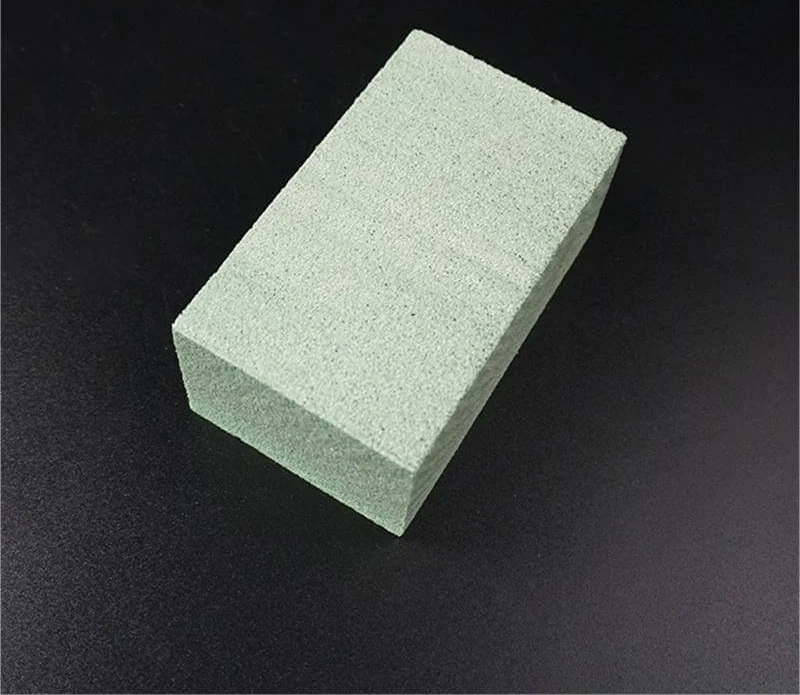
The low-density, closed-cell foam block provides a compact starting point for balancing an ROV or AUV. Plan the available space and the required uplift using the block dimensions and material density.
Block size: 50 × 70 × 120 mm.
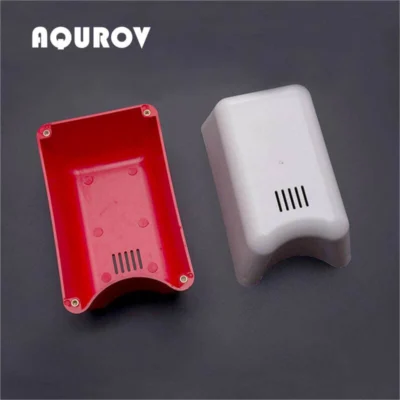
Related foam block cover available separately.
Material properties
Closed-cell structure · buoyancy and handling
-
Buoyancy in a compact block
Low-density foam for adding positive buoyancy to ROV and AUV layouts.
-
Temperature resistance and insulation
Thermal resistance and insulating properties, with the material temperature limits listed below.
-
Impact resistance
Impact-resistant material for handling and integration into a supported vehicle assembly.
-
Low water absorption
Published volumetric water absorption is below 5%; test duration is not stated.
-
Thermoforming
Thermoforming is listed; agree the process conditions before forming a part.
-
Damage tolerance
Damage-tolerant closed-cell material; inspect the block for cracks or crushing after use.
-
Chemical corrosion resistance
Resistance to chemical attack; check compatibility with the specific fluid, adhesive or coating before use.
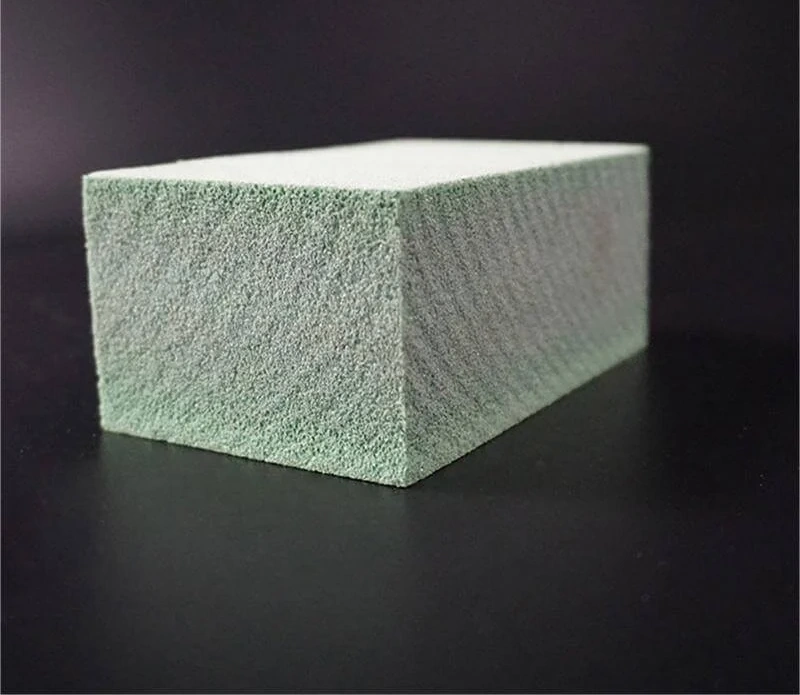
Application areas described for this material include subsea buoyancy equipment, remotely operated submersibles, diving bells and impact-protection structures.
Hydrostatic performance and crushing-point definition
The cellular structure provides hydrostatic pressure resistance and insulating properties.
The supplied description defines the hydrostatic crushing point as the pressure, in bar, at which the specimen loses 5% of its initial volume while pressure is increased at 1–2 bar/s. This describes the test criterion; it is not an additional operating-depth rating or a supplied test result.
What one block contributes
Calculated from the nominal size and density
A 50 × 70 × 120 mm block has a nominal volume of 0.42 litres and a calculated dry mass of 105 g at 250 kg/m³.
Net lift (mass equivalent) = (water density − foam density) × foam volume
Estimates use water densities of 1000 and 1025 kg/m³. They exclude the cover, fixings, coatings, machining loss, pressure compression and absorbed water. These are calculations, not measured lift at 300 m.
| Nominal volume | 0.00042 m³ / 0.42 L |
|---|---|
| Calculated dry mass | 105 g |
| Freshwater net lift | 0.315 kg equivalent |
| Seawater net lift | 0.3255 kg equivalent |
| Listed buoyancy density | 775 kg/m³² |
Block size and fit
Nominal 50 × 70 × 120 mm
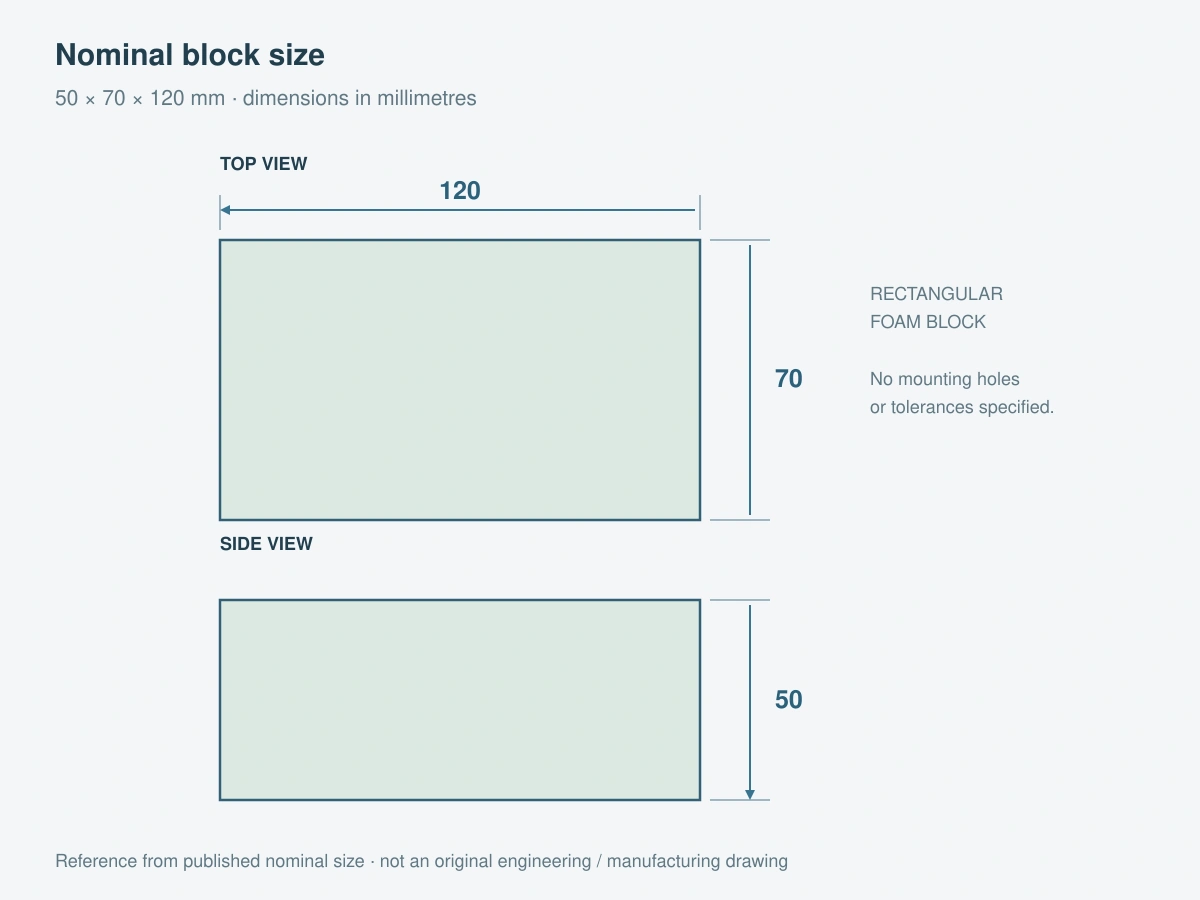
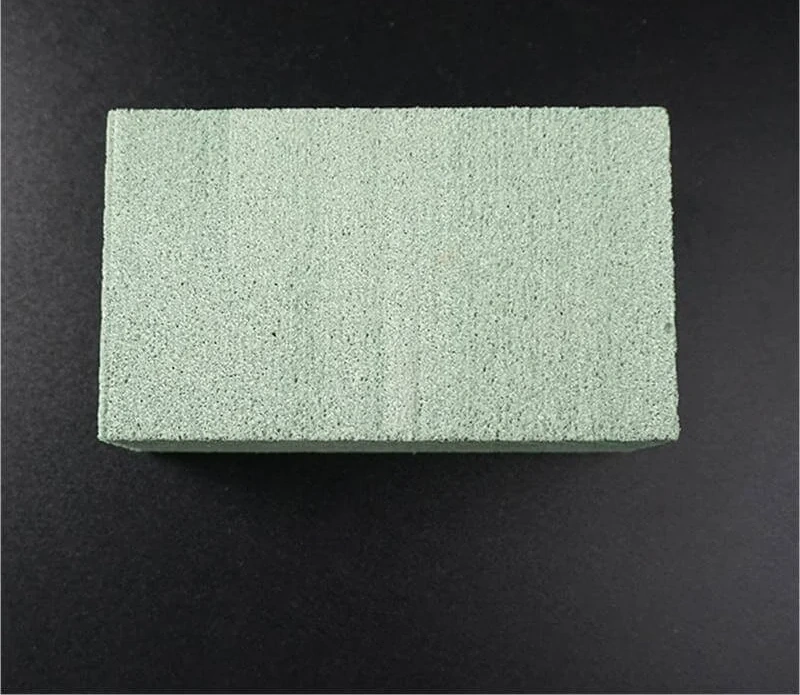
Allow space for the selected fixing method and any cover. No mounting-hole pattern or dimensional tolerance is specified in the current product data.
Technical specifications
Product data and material properties
| Applicable water depth | 300 m |
|---|---|
| Nominal block size | 50 × 70 × 120 mm |
| Nominal density | 250 ± 5 kg/m³ |
| Compressive strength | 6.5 MPa |
| Volumetric water absorption | <5%¹ |
| Closed-cell content | >99% |
| Buoyancy per unit volume (listed) | 775 kg/m³² |
¹ Test duration, pressure and conditioning are not stated in the current listing.
² The listed 775 kg/m³ is consistent with 1025 kg/m³ seawater minus a nominal foam density of 250 kg/m³; this basis is calculated rather than an independently supplied test condition.
| Thermal conductivity | 0.051 W/(m·K) · EN 12667 |
|---|---|
| Linear thermal expansion | 37 × 10⁻⁶ /°C · ASTM D 696 |
| Continuous working temperature (listed) | −200 to +80 °C³ |
| Maximum process temperature (listed) | +90 °C³ |
| Dissipation factor | 0.0020 · ASTM D 2520 |
| Dielectric constant | 1.31 · ASTM D 2520 |
³ Published material values; they are not operating-temperature limits for the complete vehicle.
Plan the installation
Fit, retention and vehicle balance
- Estimate the required uplift. Include the mass of all mounting hardware, covers and added components.
- Check the space available. Use the nominal block size and verify the actual part before preparing a fixture.
- Retain the block securely. Use a suitable support arrangement that avoids damaging or excessively compressing the foam.
- Check the vehicle in water. Confirm trim, stability and net buoyancy after assembly, then inspect the material after use.
Machining, bonding and coating
Preparing the foam for your assembly
The foam can be CNC-machined to change its external shape and size, and separate blocks can be bonded together.
Bonding foam blocks
- Apply a suitable quantity of polyurethane adhesive evenly to the bonding surfaces. The supplied instructions identify Fixtech FMP200 or FMP100 as recommended adhesive options.
- Bring the two bonding faces into close contact. Use a press or a vertically applied weight to hold them firmly together.
Surface filling and painting
- Level the surface with a suitable putty. Allow it to dry in a cool, shaded, well-ventilated place.
- Spray an even coat of polyurethane paint suitable for wood or plastic onto the puttied surface. Allow it to dry in a cool, shaded, well-ventilated place.
Check adhesive, putty and coating compatibility on a sample first. Use the selected product manufacturer’s current application, curing and safety instructions. The stated applicable water depth remains 300 m.
Selection and use
Depth, uplift and accessory questions
Is 300 m the applicable depth?
Yes. The applicable water depth for this product is 300 m.
Is 775 kg/m³ the lift of one block?
No. It is the listed buoyancy per cubic metre. A 50 × 70 × 120 mm block occupies 0.42 litres; its calculated net lift is approximately 315 g in freshwater or 326 g in seawater under the stated assumptions.
Is a cover included?
The foam block cover is a separate related product. Check the cover’s internal clearances and fixing arrangement before assembly.
Reviews
There are no reviews yet.